Revisit everything your office says about you
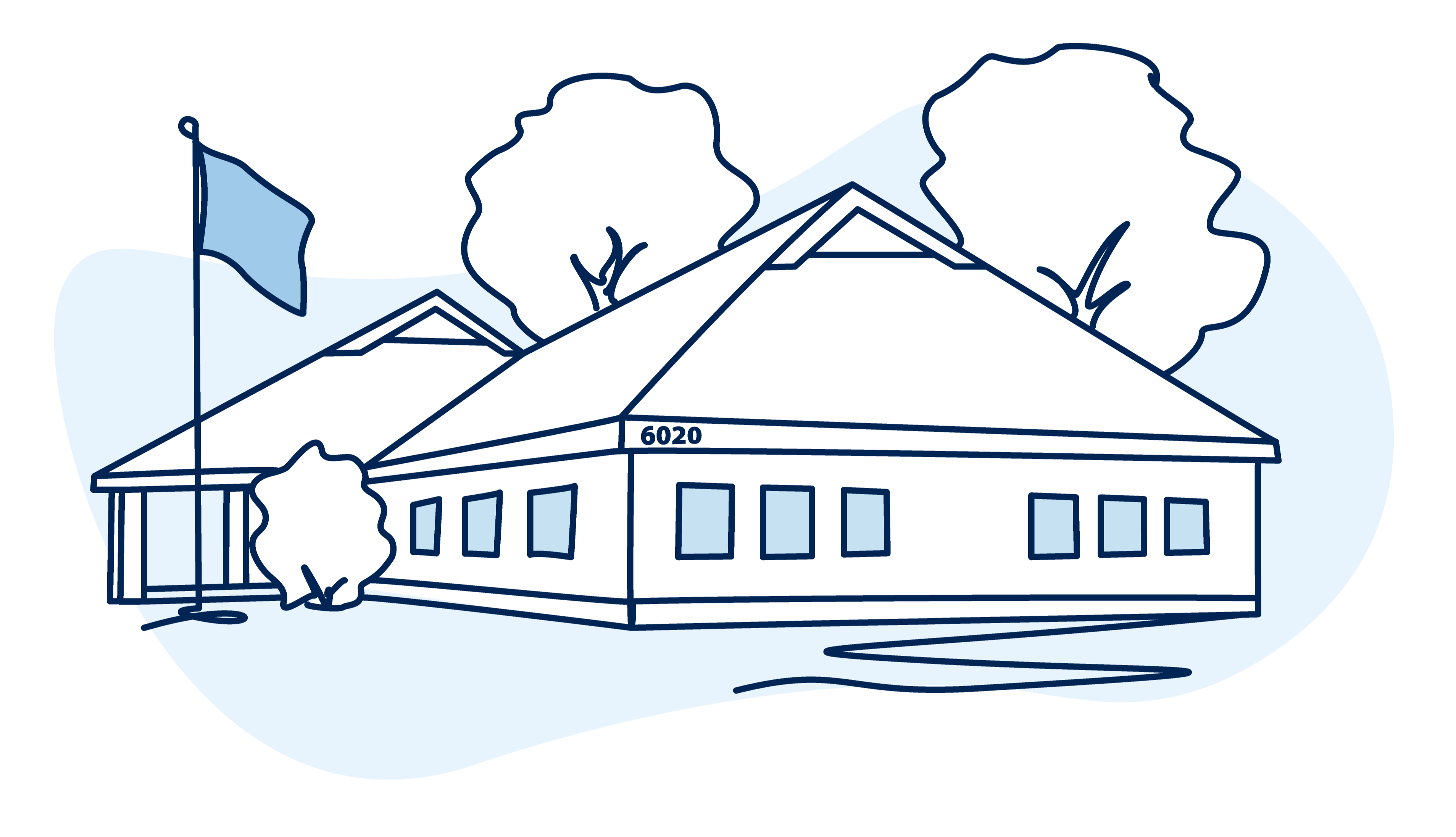
Disney World is famous for the experience they create for their "guests". Think about it. Their parks are a stage for a performance. From the moment people pull into your office parking lot, what can be done to set the stage? The message you want to send to your clients and prospective clients starts at the front door. This could include things like:
- Branded signage directing people into your office space.
- A lobby that sets the right tone.
- Ditch the financial magazines. Have a company "culture book" or picture book of fun destinations you/your family, or clients have visited.
- Disconnect the Money News from the TV. Be intentional about what you have on the television screen (like the Travel Channel or HGTV).
- How about a welcome sign for Mr. and Mrs. Jones who will be visiting?
- Your meeting room.
- Is it organized? Is it conducive for meetings? If you want the first meeting with a prospective client to feel relaxed, perhaps get a fake fireplace and change your seating to comfortable sofa-style seats.
Leverage technology for efficiencies
Technology can help us be more efficient and save us time, but have you thought about how it can help improve your client experience? Most businesses have adopted the use of Zoom for digital meetings with their clients, so I’ll skip past that one, but there are a lot of awesome tech tools out there. Here are a few favorites:
- Include an online scheduler widget on your website or email. This a great option that eliminates the back and forth between phone and email (and ultimately less headache on you).
- Leverage a CRM. Keep track of important contact information and log notes so you can send quick emails for birthdays and important milestone events.
- Use portfolio review technology to conduct annual reviews with clients. Be sure to personalize the output/report for your client. It’ll save time and deliver a better experience for the client.
Communicate with professional contrast
You can't avoid mass communications, and sometimes a one-to-many approach is necessary. It makes sense is to revisit the amount of mass communications you send to your ideal clients. What will leave a more lasting impression - a weekly market update from a canned content provider, or a quarterly call asking about how their vacation was? Or how about a call asking how the new grandbaby is? Any advisor can have a financial relationship with a client, but it’s the advisors that have a personal one who garner more introductions.
Build a Client Advisory Board
Everywhere we turn these days we're being asked to complete a survey, and they are all under the guise of creating a better experience for the customer. The best surveys are ones that are interactive and in person. That’s why we recommend creating a Client Advisory Board where your best clients act as a “board of directors” to help shape your practice and client experience. It demonstrates that you care because they know you are actually listening. More importantly, it lets you spoil your best clients which leads to more introductions.
Set up a Client FAQs/Roadmap
Highly successful practices have a playbook for their team to follow. It's an instruction manual for how to perform various duties and tasks at the firm; from the routine and mundane, to the outrageous and unlikely. Do you think your clients would benefit from the same thing? Who should they call if they want a distribution? What should they do if they are traveling to a foreign country? Provide a resource to them that is unlike any other experience they've had with a professional before. Use it as a talking point at annual reviews.
Display your authenticity and stay engaged with what matters
The two most important ingredients to establishing an incredible client experience are authenticity and active engagement. The experience you create must be authentic and it needs to be something woven into the DNA of your firm. Furthermore, active engagement in conversations with your clients goes beyond money. Sure, you’re the expert financial planner and while the conversations you have about wealth management are important, it’s also critical to become a proactive participant in other conversations – relating to family, occupation, and recreation. If you’re not already, you should be using social media to keep in touch with your clients. You don’t have to comment or post but being actively aware of the important events and milestones in their lives help better facilitate conversations around the things that matter to them. Your clients might not be able to put their finger on it right away, but over time, the experience you create will keep them coming back and referring their friends.
Engage in the unexpected regularly (Don't forget the tangible)
Receiving a holiday greeting card is not unusual. Well wishes for a happy birthday are common. The random magazine article with a picture of a cool motorcycle sent to your best client who loves Harley-Davidsons would be unexpected. Following the scripts for client communications is still important for your team. Challenging them (and yourself) to be unscripted will elevate the client experience. It starts with getting to know your client and ensuring you have an airtight process for unexpected communications.
By enhancing the wealth management client experience, you are differentiating yourself from other advisors by leading with professional contrast. This not only serves your clients better but creates tangible focus points that can replicate client introductions.
If you’re curious to learn more about creating an improved client experience, contact us today.