It supports your credibility, helps you guide the room, and ultimately plays a major role in how to get more clients from your educational events.
In this blog, we will focus on the deeper purpose behind the folder and why it is such a valuable part of your financial advisor seminar marketing strategy.
It Establishes Professionalism and Credibility the Moment They Sit Down
In today’s environment, many prospects walk into financial seminars with healthy skepticism. They are cautious. They are evaluating you before you ever begin. Every signal of professionalism matters.
When someone walks into your seminar and sees a clean, organized, thoughtfully assembled folder waiting at their seat or handed to them upon check-in, it immediately conveys preparation and respect for their time. The folder also acts as a visual cue that you take your educational role seriously and that they can expect structure and clarity throughout the session.
Professional contrast is one of the most underutilized advantages advisors have. When your materials are sharp, organized, and cohesive, you immediately separate yourself from the advisors who rely on loose handouts, generic printouts, or last-minute preparation.
A seminar folder is one of the first opportunities you have to help people feel that your practice is professional, intentional, and respectful of the attendee’s time.
It Guides Attendees Through a Complex Topic
Financial topics can feel overwhelming for the average consumer. When guests sit down to learn about Social Security, Medicare, retirement income, or tax-efficient planning, they are stepping into a world that may feel unfamiliar. The folder gives them an anchor so the experience feels manageable rather than chaotic.
A well-organized folder provides a sense of order. Attendees know where to take notes, where to place handouts, and where to revisit information later. This structure reduces distraction and encourages focused listening, especially when the materials support them in tracking questions or identifying ideas they want to revisit during a meeting with you.
It Encourages Self-Reflection and Highlights Personal Needs
One of the most important roles a seminar folder plays in seminar marketing is prompting attendees to reflect on their own situation. The self‑evaluation or process form gives them an easy way to recognize gaps in their planning. Instead of you telling them what they should be concerned about, the form helps them discover it for themselves.
This shift from passive listening to active engagement creates stronger motivation to take the next step with you. When someone circles several areas they want to discuss or marks a topic they feel uncertain about, they are already beginning to understand the value of meeting with your practice individually. That recognition is a major driver behind how to get more clients from your seminar efforts.
It Builds Trust by Leading with Education, Not Sales
A seminar folder is also a safeguard that protects the tone and intent of your event. When your materials focus entirely on education rather than product information, performance numbers, or pricing, you reinforce the message that your goal is to teach, not to sell. This is the foundation of effective seminar marketing for financial advisors.
The folder also strengthens this trust by including appropriate third‑party credibility pieces such as published articles or government fact sheets. These items show that your insights are supported by reliable sources. They validate your expertise while keeping you in a teacher’s role. Attendees appreciate learning from someone who is informed, objective, and not trying to push a specific agenda.
A combination of education and outside credibility builds confidence in your process. If you want a breakdown of what should go inside the folder itself, be sure to read our other blog, “What to Include in a Seminar Folder”. Assuming it's presented well and filled appropriately, this folder positions you as a guide who can help them navigate financial decisions rather than someone who is simply trying to present a single product or one-size-fits-all financial plan.
It Makes Appointment Setting Feel Natural and Comfortable
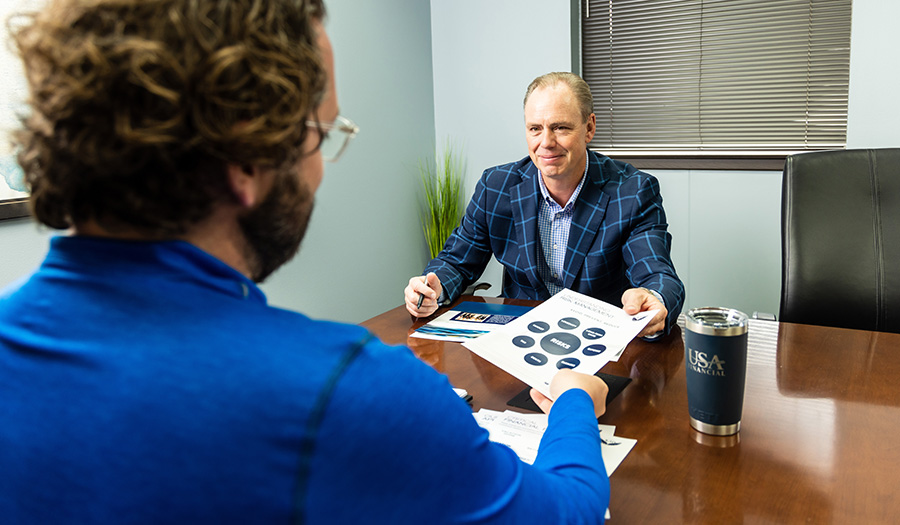
If you want your seminar marketing efforts to convert into new client relationships, your process needs to make booking an appointment feel easy. The folder plays a major role in this. When guests have time to look through your materials before the presentation begins, they become familiar with your team and your process. Then, when you reference the self‑evaluation form or the included meeting request section, it feels like a natural next step.
Whether you encourage them to choose a date from the form or scan a scheduling link, the folder supports the transition from interest to action. It removes pressure and allows attendees to take the next step at their own pace, which can make appointments easier to secure in the moment. Follow up conversations may also be more fruitful if you've put a link in their hands or set time aside that you've mentioned before the initial follow up call.
It Becomes a Tangible Reminder of Your Message After the Event
Long after your seminar ends, many attendees will revisit the materials you provided. The folder becomes a reminder of the topics they learned about and the questions they wrote down. If someone shares the information with a spouse or family member, the folder keeps your brand and your insights connected to that discussion.
The longer your materials stay in a prospect’s home, the more likely they are to take a step toward working with your practice. The more touchpoints you create, the stronger the connection grows. This reinforces why providing helpful resources inside the seminar folder is so valuable.
How Does USA Financial Support Your Seminar Strategy?
Running a seminar is a major investment of time and resources, and you deserve a structure that rewards that effort. Our Fill‑The‑Room Event System includes resources, presentations, handouts, and coaching that helps advisors refine their approach to seminar marketing. Get a home office partner that will help review materials, strengthening presentation flow, and keep your process aligned with proven best practices.
The seminar folder is just one part of a broader brand management and marketing strategy, but it plays a powerful role in creating a professional, educational environment that builds trust and encourages prospects to move forward. With the right preparation and support behind you, your seminar marketing efforts can become one of the most effective ways to get more clients and grow your practice.