





















How AI Is Changing Advisor Marketing, Time Management, and Growth with Matt Halloran
Mark Mersman sits down with longtime friend and advisor marketing expert Matt Halloran, Chief Evangelist at Zocks, to unpack how artificial intelligence is reshaping financial advisor marketing, client experience, and growth. From freeing up time through smarter systems to using AI-powered insights for better content, niching, and follow-up, Matt shares real-world examples advisors can learn from today. The conversation also covers why advisors still struggle to differentiate themselves, how trust is built in a tech-driven world, and why podcasting, events, and niche marketing remain powerful when done correctly. If you’re thinking about how to grow smarter—not just faster—this episode delivers practical insights worth considering.
Summary:
In this episode of the Financial Advisor Marketing Playbook, Mark Mersman welcomes back longtime friend Matt Halloran for a wide-ranging conversation that blends advisor marketing, artificial intelligence, and the realities of growing a modern financial services practice. Matt, who previously built one of the largest podcasting companies for financial advisors, shares how his career has evolved and why his focus has shifted toward AI-enabled systems that give advisors back the one thing they can’t manufacture more of: time.
Matt explains that his journey into AI wasn’t accidental. After years of coaching advisors and running a high-growth business, personal priorities changed, leading him to step away from full-time entrepreneurship. That transition ultimately brought him to Zocks, an AI assistant platform specifically designed for financial advisors. What stood out to him wasn’t novelty, but practicality—AI that reduces what he calls “invisible work,” the administrative and operational tasks that consume the majority of an advisor’s day but do little to deepen client relationships or drive growth.
Throughout the conversation, Matt emphasizes that AI’s real value lies beyond simple transcription. Instead, he points to meeting preparation, structured follow-up, CRM documentation, and integration with planning and tax tools as the differentiators that actually improve both advisor experience and client perception. By eliminating repetitive manual work and increasing speed without sacrificing accuracy, advisors can deliver a more responsive and organized experience—often within minutes of a meeting rather than days later. That speed, Matt argues, is becoming an expectation, especially for high-net-worth prospects evaluating multiple firms.
The conversation naturally bridges into marketing, where Matt believes AI will increasingly support—not replace—human differentiation. By analyzing real client language pulled from meetings, advisors can create more relevant content, better follow-up messaging, and more targeted marketing campaigns. Instead of guessing what resonates, advisors can use the words their clients already use, leading to clearer communication and stronger emotional connection.
A major theme of the episode centers on niching, which Matt describes as one of the most misunderstood but powerful growth strategies available to advisors. Rather than trying to appeal to everyone, he encourages advisors to focus deeply on a specific audience—whether defined by profession, employer, or life stage—and build authority within that space. From medical professionals and outside salespeople to academic communities and engineers, Matt shares examples of advisors who built scalable growth models by committing to a niche and showing up consistently where their audience already gathers.
Podcasting is another area where Matt offers practical, experience-backed insight. While many declare podcasting “over,” Matt pushes back, noting that most shows fail simply because hosts quit too early or underestimate the effort required. When done strategically—high-quality production, guest preparation, clear distribution, and intentional promotion—podcasts remain one of the most effective long-term authority-building tools available. He stresses that advisors shouldn’t chase sponsors or shortcuts, but instead treat podcasting as a relationship-driven marketing channel that compounds over time.
Beyond podcasting, Matt points to emerging platforms advisors should pay attention to, including Instagram, Substack, Reddit, and Discord. These communities, when used intentionally and compliantly, offer opportunities for deeper engagement with highly targeted audiences who actively seek information rather than passively scrolling. The common thread, he notes, is meeting prospects where they already are instead of forcing them into generic funnels.
When discussing trust, Matt makes a clear distinction between process and connection. While many advisors default to talking about planning frameworks or investment methodologies, he believes clients ultimately choose advisors based on how understood they feel. Tools like AI can support that by improving listening, tracking sentiment, and reducing distractions during meetings—but trust itself remains rooted in human interaction, emotional intelligence, and presence.
The episode closes with rapid-fire advice covering what advisors should stop doing, what they should double down on, and how to approach growth over the next year. Matt is candid in his assessment of lead-buying models, calling them costly, competitive, and misaligned with how modern clients want to engage. Instead, he reinforces the value of organic marketing, in-person events, niche focus, and AI systems that eliminate friction behind the scenes.
Ultimately, the message is clear: advisors who embrace AI thoughtfully, focus their marketing, and invest in authentic connection will be better positioned for the next phase of industry evolution. The tools may change, but the fundamentals—time, trust, and relevance—remain central to sustainable growth.
Transcript:
Mark Mersman, Chief Marketing Officer at USA Financial - Welcome back to another episode of the financial advisor marketing playbook. Today I am joined by, can now say long time friend, Matt. We've, we've known each other at least now seven or eight years, I think. So by Matt Halloran, Matt, it's wonderful to have you on the podcast again. And you're in a different role now from the last time we've, we've spent time together. So share a little bit about.
Matt Halloran - Yeah.
Mark Mersman - Kind of where you've been in your journey, because you're big on the advisor marketing side. Now you're wearing a different hat. I can actually say that. And wanting to kind of get a sense for where your journey has been and where you're at now and what you're up to.
Matt Halloran - Mm-hmm. Yeah. Well, first off, thanks for having me again, brother. It's always nice to see you. So for the last eight years, my partner, Kirk Lowe, and I built the largest podcasting company for financial advisors in North America. But the foundation of it was building people's influence. And everything that we wanted our clients to do, we tested on my profile, all of my socials, our podcasts, all of that sort of stuff. And here's the deal. It really worked. I went from being
So there's a list that comes out generally every year. It's the most influential people in financial services. About four years ago, I was like number 30. And then last year, I was the 10th most influential person in financial services. And the reason why is because of content creation, video marketing, podcasting, and real engagement with my audience. And that's one of the things people don't realize as an influencer you need to do. You need to actually talk to the people who are talking to you.
then they're going to become bigger fans. They're going to want to interact more with your content. And by the way, it pleases the algorithm. And due to a series of very substantial life changes that I have personally, I realized that I could not be a good partner to my business partner anymore. I did not have the capacity to be a full-time entrepreneur because we were still in building phase. I still working 70, 80 hours a week and my priorities changed. And so I applied.
I made some phone calls and talked to some very good friends who might have been in this industry since 2006 to see if anybody wanted to hire me as an influencer. from just a couple of phone calls away, I ended up talking to this guy who is a friend of a friend who used to be the chief product officer or chief salesperson for nitrogen. And he had been working in the industry for a long time. His name's Drew Dan Marino.
And he's like, no, we want to hire you. I just need to get you to talk to the right people. and really quickly, part of it was because of my situation. They brought me on board as the chief of angels. So my job now is to raise the visibility of Zocks. So Zocks is an AI assistant company. There are many out there. There are very few like us at all. We are a non recording transcription service, which we have found out that the high net worth and ultra high net worth do not want to be recorded.
So they don't like it when you have your zoom note taker on or the fathom note taker. They don't like that. And so that's that's the foundation of what we built here at Sox. But I do a lot of conferences. I created an enormous amount of content and a lot of it really has to do with getting back to the whole marketing side is if you're using the right AI tools, if you're using the right systems, we've proven through RFG and Carson group that we will save you and your team 10 hours a week. And so Mark,
Your audience, dude, gets 10 hours a week back in their life. They should probably spend some of that time marketing.
Mark Mersman - So what made you decide to kind of lean into AI, you know, and obviously you were using it before you jumped on with Zocks, but what kind of made you say, yeah, this is the right move for me and the right home for me to, jump on and go that direction.
Matt Halloran - Two major things. The first one is I believe that AI is the biggest shift in financial services since modern portfolio theory. And I know how powerful of a statement that is, which is why I say it often. So there's number one. Number two, I've been coaching advisors since 2006. I probably coach about thousand offices now.
And the number one thing that always slows advisors down is what we hear at Zocks called the invisible work. It's the 80 % of the stuff all of your listeners are doing that has nothing to do with the face to face hanging out with the clients, know, shaking hands, kissing babies, growing the practice. It's all of the other just extemporaneous crap that you have to do to be an advisor. And when you can systematize with high levels of accuracy without having to burden another human in your office with it,
This solves so many problems.
Mark Mersman - Yeah. So I know obviously I'm throughout this conversation, we're going to talk Zocks a bit, but we'll lean into marketing in general. Everyone hears AI note taker and thinks it's just transcription, right? what is Zocks actually solving for advisors? What's, know, what's being done differently if you had to kind of give the, the, the quick bullet points on what it, makes Zocks different.
Matt Halloran - Yeah. Yeah. So it's the non-recording live transcription. We do meeting prep for advisors. We help the advisors be more present during client meetings. And then we also do the post-meeting follow-up. So you don't ever have to put notes into your CRM again, because we manage all of that. We use structured data from the conversation to create that stuff. And then we have other really amazing things, like two-way integrations with your financial planning tool and your tax tool and your CRM.
I mean, basically, the what I really like to tell people when you're making an AI decision for your practice, like not your personal AI, like when you have to code it yourself, when you're actually going to hire a software that is actually built specifically for advisors, two things you need to think about number one, can you use it? Right? That's the big one, dude. And then the second one, does it integrate with your stuff? It doesn't do two way integration with your stuff. And then you test them side by side because there's a lot of players in this market mark.
And they're not all created equal, but that's that's kind of zocks in a nutshell.
Mark Mersman - What do you think, what excites you most about what you're doing now? mean, knowing, because I guess I'm going to ask you to kind of skate to where the puck is going because obviously that's a big part of probably the vision that you saw and saying, yeah, if I'm going to land somewhere, I want to land somewhere that is kind of forward thinking. What do you, excites you the most about the future with not just with Zocks, but with AI in our space?
Matt Halloran - Hmm. Yeah. So when I, when I pitched myself here, I didn't really know a lot about the product. I knew about the product. I'd seen them at conferences. Of course I did my due diligence before my phone calls with the powers that be. It gives advisors the one thing back that they can't make more of, which is time.
I mean, that's what excites me about all of this is finally financial advisors can freaking breathe, dude. And I love this industry. I fell into it by happenstance. And then I realized very quickly how. Important and how much pressure there is on advisors to manage a person's life savings and not just one person's life savings, hundreds of people's life savings.
And that's a big flippin deal, dude. And if we can provide wheat, not talking about AI in general, if AI can provide all of your listeners and all of your advisors, some of that relief, give them some time back so that they can be better humans, so that they can be better husbands or wives or spouses or partners, or they can be better parents or they can be better children. Maybe they can work on themselves spiritually, they can work on themselves mentally, they can work on themselves physically.
You don't have the busy excuse anymore when you use something like this. And that's where the puck's going. This is now going to be able to be you can service as many people as you want now. You can. And I think that's cool.
Mark Mersman - What, you know, there's the obvious stuff that use cases for Zocks, you know, that, that I think everybody's aware of or who's used an AI note taker. Like what are some of the less obvious things that you see advisors using Zocks for to create, know, to create that time or to create a new client experience or maybe save, you know, help themselves with inside of their marketing. What are some of the maybe less obvious use cases.
Matt Halloran - Yeah, I'll tell you two quick stories. So the first one is Zocks paying attention to things that you might not think are as important. Right. So we listen purely and that's a really important thing. All of us, Mark, you know that my background is this as a therapist. We listen with filters, bro. It's like we see the world with filters. Right. A.I. This is just word for word transcription. So that's a really
kind of important threshold. So a junior advisor was taking over from the primary advisor, the primary advisor was retiring, and the biggest client was coming in. Biggest client biggest like a plus plus plus plus client, right. And so she was really nervous about meeting him. And so the client came in and she's sitting down and he looked distraught. And she's like, Hey, dude, you know what she didn't say, dude, hey, man, what's going on? You know, why do you look so distraught? And he says, my daughter's, and he names his daughter's favorite chicken.
named the chicken is in the hospital. And she's like, wow, you're really distraught about that. He's like, yeah, you don't understand. My daughter loves this chicken. And so, OK, that was 10 seconds of the meeting. And, you know, then they get into everything and all of that. So the our structured data. So after we take the transcript, we create a summary of the meeting and part of the summary and the task was send daughter named the daughter and the chicken named the chicken, a care package.
Mark Mersman - Right?
Matt Halloran - And so our client was like, that sounds like a great idea. And so she she mailed, which, by the way, I their chicken care packages. I didn't know this. She mailed a chicken care package to the daughter. Not only did she 100 percent went over the primary, but she also got the daughter as a client. So that's the sort of stuff that after you've processed two million plus meetings, which is how many we've done here at Zocks, all of that structured data, what we've learned.
Mark Mersman - Yeah. All right.
Matt Halloran - Is even better. Now, let's talk about marketing. Let's talk about closing some business because this is a marketing podcast. I don't want to just talk about how awesome this product is. Please just demo it. You can get a 14 day free trial, but here I want to give you one last thing.
Matt Halloran - This woman was up against three other advisors. You you every one of your advisors have heard this. I'm interviewing a whole bunch of people to make sure somebody's the right fit. OK, yeah. And so they came in and sat down and they're like, hey, you're the last person we're interviewing, which, course, we all know is crap. I'm going to throw the BS flag. Of course, they're probably still interview other people. Right. And so they had a great meeting. She felt like there was a good connection there. But because of our structured data and because of what we did, she sent a follow up email.
Mark Mersman - Yeah, right.
Matt Halloran - with a summary of the meeting with the tasks that she was going to do the task that she wanted them to do and also a very light version of a financial plan because with the two way integration, we can actually go ahead and send money into or send information into money. I'm just using money as an example, and it will spit stuff back so that you have something within minutes instead of days or hours and stuff like that. And so she hit send after she reviewed it because you got to review everything compliance.
Before the couple got home, Mark, that email was in their inbox. So they picked up the phone and they're like, hey, Julie, how did you do this? She's like, what do you mean? How did I do what? We haven't even heard back from the other three advisors and we met with them weeks ago. How did you get us something this complete, this organized and also showed that you were listening? And she's like, this is the level of systemization I have in my practice. And she won that business. And so.
Mark Mersman - Right.
Matt Halloran - Not only does this help with freeing up time so that you can do some other stuff that I'd like to talk to you about, which are some marketing things that I think advisors really have to be paying attention to here in the rest of 26 and years to come, but it just makes you look smarter, stronger, faster, better.
Mark Mersman - How far away, I mean, do think we're at a point where that is table stakes? Like how far away from it do you think we are? Because we're starting to see it. Like I get stuff from doctors offices that I know is automated and, but I appreciate it and I'm okay with that.
Matt Halloran - Yeah. I think what we're really going to start seeing is there's a difference between speed and quality. And that's one of the big differences. Where you're looking at some of the other people who rushing into the AI space specifically, they can just do summaries of the meetings. But if it's not actually built for financial advisors using millions of meetings as the kind of template to make sure, if
I think what we're going to see more than anything is the tailoring. So we just did a webinar last week and Mark, this was crazy. We had 1700 people register for the webinar. I've never done. I've been I've been doing this for a long time. I've never had 1700 people, even when I've done stuff like FMG or really big company. 1700 people. It was on MCP. It's called Model Context Protocol. And what it is is that it like Claude and OpenAI now will talk to Zocks, right?
And this way you can just go into your Claude and say, Hey, tell me what happened with these five meetings and what are the common threads that I need to know? It'll do that. Second level question. Hey, help me write a blog, a video script, and some social media based off of those five meetings, making sure that you're using the client's language. Cause we have that, right? Cause we have what the client said in order to make it more appealing to my ideal target market. Right. Right. Right.
Right. That is what the future is. That's the future. And making sure that that structured data that's within AI that is going to be somewhat table stakes, being able to go ahead and have your own personal AI pull from it, use it and help you become a better marketer. I think it's going to be a really big thing. I think our job at Zocks is going to shift a little bit. I think part of what we're already doing this is we're going to start teaching people how to prompt.
So not only are you gonna use our system, but we're gonna start handing out, which we have in our Zocks Academy, but handing out prompts to be able to have it so that you can be not necessarily a prompt engineer, but we've got a whole team of prompt engineers.
Mark Mersman - Sure. You know, it's funny you say that because I've mentioned this, um, an advisor who was looking to start a podcast and it's like, you know, what do you have, what do you think about content ideas and that sort of thing? go, well, you're using Zocks. Why don't you just go in there and say, ask Zocks about what are the three topics that were consistent this week in meetings or whatever it might be and using their language. I think that's probably the most important part. Cause as marketers.
Matt Halloran - That's right.
Mark Mersman - We're often just trying to guess what's going to be impactful or guess what the words are that we should use. Just use their language. Just use the vernacular that they're using. often, we're so guilty of talking over people's heads. Like how do we dumb this down with their own words and run with it? what do you think? So what tasks do you think advisors will completely stop doing themselves? As we think about the future of AI.
Matt Halloran - Mm.
Mark Mersman - Like what stuff isn't there today that you think is coming in the coming years and obviously not making predictions or promises here, but you see.
Matt Halloran - Oh, well, I'll make predictions, bro. So the first thing is is a client onboarding paperwork that that's that's going to be done conversationally now. We're almost there, by the way, in a couple of firms that we have very, very deep integrations with. We've taken their client onboarding from 17 hours down to 15 or down to 20 minutes. New client onboarding all of the forms, all of the paperwork, all of the stuff BAM done accurate.
I think that's one thing that they won't have to do. What we're really hoping, and this is very personal for me because I'm a huge insurance guy, is insurance applications. I think that by just you and I having a conversation and me knowing the right questions to ask, I think that we could populate three or four different apps that will be 100 % complete and be able to be sent to the carriers for underwriting very, very, very quickly. In fact, that is a huge thing that that Zocks is moving towards.
And I'm part of that movement is trying to do whatever we possibly can to dive into not just life health and annuities, but also P and C because we know that it's just repetitive, right? It's the same information over and over again. And Mark, when you actually give that to your assistant and he's got to go ahead and put it into this program, this program, this program, this program, the probability of errors high, that's four chances for them to mess it up. We all know that happens.
then advisors get all pissed because you're not being accurate and blah, blah, blah. Well, when it can do it simultaneously using the exact stuff that you pull, think that's the big, I think that's the big, big difference. So that's my projection. Yeah.
Mark Mersman - What, yeah, I totally agree with you. mean, I think paperwork's the next one that it seems so obvious, low hanging fruit, right? That there's already technologies out there that are doing certain. mean, it's just a matchup game at that point. So, what are some of your favorite AI technologies outside of obviously Zocks that you see advisors leveraging in their practices today?
Matt Halloran - Mm-hmm.
Mark Mersman - If you were going to start a practice or you bought a practice tomorrow, hey, these are two or three that I'd probably take a close look at pretty quickly.
Matt Halloran - Mmm.
Mark Mersman - Obviously, Zocks. That's, you
Matt Halloran - Well, no, no, that's yeah, I agree. I think for me, it's it's really having a relationship with your personal A.I. And so I'm not really going to I'm going to say Claude or GPT. I don't think you need anything else, to be really honest, because in those programs you can build a persona. And this is wildly important for marketing. So here here, here's the example. I work with ophthalmologists. just going to say I wear glasses, right? I'm a say ophthalmologist.
Matt Halloran - And I want to work with ophthalmologists in Southwest Michigan, because we both live in Southwest Michigan, right in Southwest Michigan, who have more than five employees. OK. And so that's my ideal target market. That's who I want to go after. All right. So so then my next level question, and I'm going to build this as a project, is I want you to go out and look at what are the questions those people are asking the Internet when it comes to business
finance and personal. It will tell you those answers. And then making this as your foundation, a project, which means it will always go back and pull that information. You can start writing great marketing copy. And I have a friend of mine here in Kalamazoo who we're doing this together. He's always been the person that I test stuff on because he's my advisor and we're cool. We're doing that with a very specific niche. And because of that, he has now started a podcast with the National Association for his niche.
He actually has created an entire landing page that speaks exactly to that specific niche. And on LinkedIn, we've also built a LinkedIn DM campaign to attract those people when he connects with them. And he's connected with five or 600 of those ideal target market clients because of him using his own personal AI. it's especially something like Claude now, which can build PowerPoint presentations, Excel spreadsheets.
It can do tax analysis. can do social media copy. Hell, can even create you short videos now. Those are the systems that I think you need to lean in. I think a lot of the other stuff, Mark, is noise. I really, really do.
Mark Mersman - Interesting.
Matt Halloran - I think we're Amazoning AI, and I think that's what OpenAI and that's what Anthropic is doing. And there, it's a cutthroat race to the finish.
Mark Mersman - Yeah. you've helped. So let's shift gears a little bit. I'm like, wait, you know, I was going to hold this one for later, but I'm going to, we'll use this question now. So it kind of started at a moment ago, but if, if you're launching a practice tomorrow or you bought a practice overnight and your job is to grow this thing, how's Matt Halloran approaching the marketing with it? What things are you
Matt Halloran - I'm niching out, bro. There is nothing, nothing more important than having a very, very well-defined niche. I don't... And all of your listeners who are going, la, la, la, la, la, la, I, you know, I hate that conversation. I'm so tired of everybody saying it. That is how you become successful. You can't market to everybody. You're never going to outspend Ken Fisher. I'm sorry. You're never going to outspend Ken Fisher. Ken Fisher is everywhere all the time.
Mark Mersman - So you do it
Matt Halloran - You can't market to everyone all the time. So you have to have that laser focus. Like we're here in Michigan. Why not just focus on in fact, I know a couple of people who do this who only focus on MSU professors. That's it.
Or I live in Kalamazoo, Western Michigan, K College professors, right? Or maybe I'm only going to work with the people at the medical school here at Western Michigan University, right? I'm going to work with the residents. In fact, I have a friend of mine down in Texas who works with medical residents and he has grown an unbelievable practice. But you asked a very interesting question. I'm buying a practice, so I already have income coming in.
So I could take the time to niche out. If I was starting a practice from square one, it would be events, a million percent. I would mortgage my house and I would do not rubber chicken dinners, but I would do in person social security events and estate planning events. That's what I would do. By the way, those are the two events. You do estate planning events and you do you do social security events and you will be able to grow. You could grow your practice from zero.
And also the other thing I would do is I would sell all of products. So I wouldn't just be and I hate this word so much a fiduciary because I think that's a load of crap because people need annuities and people need insurance. I don't really care how you're paid. I will argue you back and forth. Anyway, I'm sorry. I'm digressing, bro. Yeah, it just drives me nuts. Yeah, it is. Yeah. Yeah.
Mark Mersman - It's all the same, right? It's all the same. Yeah, that's a podcast. It's a multi-series podcast getting into that debate.
Matt Halloran - But that's the direction I would go. If I was buying a practice, I would highly niche out. And so what I would do is I would join the local and national association. I would go to those events and I would sponsor a booth. I would start offering to write a blog for their newsletter for free about finance. I would start a podcast and start and make a list of the most influential people who are optometrists nationally and get them to come on the show. That's what I would do because it's a slow burn. You're looking at 24 to 36 months.
But once you get over that hump, your practice is going to be worth so much more money. So David Groud Jr. is a friend of mine. He runs Succession Resource Group. And he and I love to argue about stuff because, you know, they do valuations all the time. And I said, you're telling me that you're not going to change my valuation if I have a steady stream of new prospects coming in because I own a niche. And he said, Matt, we can't quantify that. I was like.
Do you need to quantify that? Because I'm no, and I've got a friend of mine in Washington DC who's bringing on five million in new assets a month because of his niche. He's the guy. That's powerful.
Mark Mersman - let's talk, let's, let's lean into that. Then the podcast idea inside of a niche. Cause I think, I think that's a huge opportunity. So let's just say the advisor has their niche defined is going to launch a podcast in it. You already started to give a few ideas on where to take that or how to get that off the ground. Like how would you structure it? most importantly, you know, even if you do line up some guests and that sort of thing.
How do we get this out there? How do we make sure that I'm not just speaking to, to nobody with this podcast.
Matt Halloran - Well, you will at first, Nobody likes to hear that, brother. mean, look at look at your numbers, right? I remember when you started podcasts, that's when we met each other. Right. And you you went from very, very small audience, even though that you had a built in audience already to a rather robust audience now. And so that's why I say it's 24 to 36 months. You just have to be willing to put in the time. Boosting is wildly powerful. Boosting posts on LinkedIn, Facebook ads still work.
Mark Mersman - Mm-hmm. Yep.
Matt Halloran - boosting things on Instagram, boosting things on YouTube is really powerful. So you have to do full audio and full video. That's the game. You have to take that full audio. So I'm interviewing the greatest optometrist in Southwest Michigan. I don't know who that is. I'm just, you know, whatever. And I'm going to ask them to share this podcast with their network because it's going to be a highlight on how awesome they are as an optometrist. That's the goal. Dude, Mark, we built Proud Mouth, our entire company off that model.
Mark Mersman - Right, no I know.
Matt Halloran - from nothing to millions of dollars a year in reoccurring revenue by just bringing on you were on our show and I asked you when you came on our show. Hey Mark, would you share this with the USA financial people? hell yeah, I will because you had a good time on the show. You said some cool stuff and I made you look smart. That's the goal, right? So that's the mindset that you have to have in and that's why the guesting system works so well. You don't need to get sponsors.
Mark Mersman - Yeah. Right.
Matt Halloran - You have to bootstrap this. You have to pay for it yourself and don't skimp on the audio and video because you could be saying the smartest thing, the most groundbreaking financial advice ever. But if your audio and video suck, nobody's going listen.
Mark Mersman - So in your example, let's just assume we're doing the podcast for Optometriss. How much finance would you encourage an advisor getting to do? in that episode, is this all about financial advice? it like, how do you encourage people to think about structuring the actual content of that interview?
Matt Halloran - So my ambiguous answer is I refer to it as the sprinkle because money touches everything. And by you not bringing those things up, you're being negligent to educating the general public. Right. So there's number one. So let's say one of the things is, you know, the optometrist comes on and says, you know, one of the reasons why we're the greatest optometrist in Southwest Michigan is because we have the greatest equipment. We have the most high tech. Really? Gosh, that sounds really expensive.
Well, it is and we wanted to make a really in this is such a good tier for the optometrist. We wanted to make that investment for our patients because we wanted to make sure that we weren't using something that you've seen since 19 diggity something. Right. You know, we wanted to use something that was even better. Well, that means that you put a huge capital investment back into your firm. You know, I just just kind of be in a dork here. Did you just cash flow that or, you know, do you do you take loans out? Did you take private equity?
And you know, they might want to answer that question or not. But that's the sprinkle. But the ultimate if you wanted to break it down and where I'm working with advisors, so you want to math this out. A third of it needs to be about you and how smart you are. Two thirds need to be about the guest.
Mark Mersman - Okay. Is starting a podcast in 2026 still worth it or is the window closing?
Matt Halloran - the window is not closed because people quit. the average person who starts a podcast will get four to six episodes and they'll quit 90 percent, 90 percent quit because they don't realize it's work and it takes time and prep and work on the back end and the front end. And I mean, you should see my systems just for being on this show. I have systems.
I did my warm up. I reviewed my talking points. I know who you are, but usually I'm diving very deep into who's interviewing me to make sure that I'm making you look good as a thank you for letting me come on your show and getting access to your audience. I'm going to share this with my entire very large audience and financial services, which you know, that's the sort of stuff that people don't realize. This is a game. This is one of those things where if you're a professional, you have to practice this. I practice for this.
Very few people do that, which is one of the reasons why for eight years I was the podcasting guy, because you can put me on any show anytime and I'm going to put on a good performance because I know my LeBron James pregame stuff that I'm going to do vocal warmups and I'm going to go ahead and look at my talking points and I'm going to get my energy up and all of those sorts of things. Many people just show up and they half ass it. Mark, you got a whole ass this dude. You can't just phone this shit in. You got to really do it.
Mark Mersman - Yeah. So what all goes into it though? Cause I think there's a lot of, for those that don't know about the podcasting game, it's more than just hitting record and doing the interview. There's a whole lot before and after, you know, what are the key things that you try to hammer home to advisors who are thinking about the podcast world to say, here's some things that you gotta do once you've hit stop on the recording to make sure that you get the most from your efforts.
Matt Halloran - Mm-hmm. Post-production is vital. A good, short, engaging intro and outro is really important. I also think that everybody should be doing host red mid-roll ads, which very few people do. Right? So this is an opportunity for you to be able to talk about who you are and what you do. It's got to be 15 seconds. You hey, my name is Matt Haller and I want to thank you very much for listening to our show. We have a new show coming out called Better Practice, Better Life, More Human with AI.
You know, and if you want to know more about who we are at Zocks, go to Zocks.io for slash Matt GPT, right? Bam, that's the whole commercial, right? It's not, hey, I want to talk to you about how deep a financial, no, no, no, no. It's got to be short, fast to the point, mid roll, host read. People don't skip it because people aren't expecting it. It can't be at 12 minutes exactly. It needs to be between 12 and 17 minutes. That's all done in post production. OK.
Number that's number one. Number two, you have to share it flipping everywhere, everywhere. Every podcast player, every social media platform, YouTube. You have to cut it up into little pieces. That's also wildly important to almost every piece of software now, much like Riverside, which is what we're recording right now, will create magic clips for you. Sometimes they're good, sometimes they're bad. You take those magic clips, you put those out on social media.
But the most important thing that you can do that nobody does, and this is the hidden secret. Before you hit record, you have to get your guests agreement that they're going to share that podcast with their audience. If they do not agree to that, they are not a guest on your show and you have to stick to that because at some point you'll have enough episodes in the can where that person will be like, well, damn, I really should have been on that show.
That's vitally vitally important. In fact, at Proud Mouth, we have an entire system that we give to our clients. I say we because I still own part of the company that we give to our clients to help them execute those things, especially with guests to make sure that they're prepared for the show. That's the other thing. You have to prep your guest, dude.
Matt Halloran - Like you don't have to prep me. I've done 3000 podcasts, right? But I like I know you hate you. You have a really high quality microphone. Do you have a good camera? Are you in a quiet place? Know that this isn't live so that you can say stop and post production will take, you know, out that stuff. Do you know what you want to say? Talk in three minute segments. If you go back, Mark, you're not going to do this, but you're going to notice that I only speak for about three to three and a half minutes at a time. And then I stopped talking.
Mark Mersman - Right.
Matt Halloran - because this is supposed to be a conversation, not a presentation. And so we've got all of these things built in to make it so that not only after you stop recording, you're gonna kick ass, but the show itself will be
Mark Mersman - All right. Let's see here. Outside of the podcast world, are a few things that you would encourage an advisor to be thinking about marketing wise right now in 2026? Here we are. We're recording this in April. We still got plenty of the year left. What are the things that you're seeing that you think advisors should really be looking at on the marketing side?
Matt Halloran - Mm-hmm. Mm-hmm. Instagram. I cannot stress that enough. Instagram is the next honey hole for new clients. That's where all the Henry's are high earners, not rich yet. That's where a lot of Gen X. So our generation is starting to move more towards Instagram than Facebook. So I think Instagram is going to be really, really big. I also think Discord, Reddit, subreddits.
Substack is a vitally important place where there's an enormous amount of misinformation and you could actually start your own Discord, your own Reddit, your own subreddit or your own sub stack and own you. And again, going back to the niche, but you could own that niche because people are going, especially very, very highly intelligent people who are wildly successful, who don't want to doom scroll through a whole bunch of crap that they don't like.
They want to go exactly to where they want, which is what Reddit and Discord do with conversations with real people. This is not those things aren't on the fringes anymore. That is real marketing. And I do I have a friend of mine who's an advisor. I'm trying to remember where he's on the East Coast. He's huge in sub is in Reddit. Right. And so he has his own Reddit and his own subreddit where
It's all about his specific niche in financial services and he's there all the time. He has notifications on his phone. What's that? no, no, he's full blown disclosures and disclaimers, bro. Everything's right there because it gives you the chance to do that. And it's also pretty easy from a compliance standpoint to track because it's all just writing. Right. So it's.
Mark Mersman - Anonymous with that or no? Did you put is he anonymous with that or okay? assume that. Yeah, we actually, the archiving from we use, we just verified that Reddit's something that we can pull off. Um, it's been interesting because like I've mentioned it to a few advisors, like, there's, what do you think about this? I think the general conception or perception is, is that Reddit's just full of a bunch of nut cases and of course.
Matt Halloran - yeah. Well, so is Facebook, bro. I mean, you know, Facebook's crazy, dude. Instagram's nuts. Wait, wait until you get on Substack. I mean, that's, that's, wow. That's, but.
Mark Mersman - Yeah, it feel like you're entering the Twilight Zone a little bit, but...
Matt Halloran - But that's why you own it. So that's why you have your own sub stack. That's why you have your own subreddit. That's why you have your own Discord group and you vet them. Right. So that's that's the other nice thing is in this people don't really understand how powerful this is. You can make people apply to be a part of your Reddit. You can make people apply and answer questions before they get into your Discord.
Now, all of the sudden, I'm already getting a lot of that prospecting done on the front end and having people say, hey, I want this information. That's a total opt in. That's a huge buying signal, dude. And it's not just do it yourself or it's people who and I've said this forever. You have to meet your ideal target market where they're at with organically created content. That's it. That's that's the key to marketing. Find out where your ideal target market is.
Be there with organic content or be there physically, which is why I still think events are humongous.
Mark Mersman - Yep. So most advisors sound exactly the same. Why is that still happening?
Matt Halloran - Because they're freaking lazy, dude, and they know I'm just gonna use a pre approved content. So I'm connected with 20 some 1000 people on LinkedIn and almost all of them are advisors. And when I scroll through my thing, it's the same. Here's the Raymond James post, here's the Edward Jones post, here's the Morgan Stanley post, here's the Ameriprise, it's all the same crap. And so the other thing is, and boy, this, you're gonna get me little fired up here. I'm sorry with your audience, but I'm very passionate about this is
Mark Mersman - Yeah
Matt Halloran - Nobody gives a crap about your process. Nobody does. No, no general public cares about your financial planning process. They don't care about your trading process. They care about you. And until you realize that they're buying you and everything else's table stakes, you will never have the level of growth that you want. Do you have a great financial planning process? Gee, I hope so.
Do you have a great trading process? Gosh, I hope so. Do you do tax loss harvesting in a wildly efficient way regularly? I hope so. But here's the deal. I don't mean to be a jerk, but that's table stakes now. So Mark, I did this and I showed it to my advisor and he was really shocked. So I have a very deep relationship with my own AI. I travel a lot, dude. And so I'm bored. I'm in a Delta Sky Lounge. I ask her questions, you know, like what's the meaning of life? And if you could be...
create a physical form? What would you be? mean, I was a philosophy major, so whatever. But one of the things that I did was I said, Okay, her name is a board, which is a whole nother podcast in itself, why she has a name, but I said, Okay, I'm 50. This is all true. I'm 53 years old. Here's how much money I have in my accounts. Here's how much money I'm saving every single solitary month. Here's how long I've been working. Here. Here's my last tax obligation. I have two kids. Here's the amount of money that I want to transfer to them.
I want to retire by the time I'm 65 and a half. Am I on track? And more importantly, I want you to look at all of the greatest investors of all times and create me an investment management plan. OK, I want you to tell me exactly what to invest in. Number two, I also want you to think of the greatest tax mines.
that have ever existed and give me tax advice so that my retirement at 65 and a half will be more successful. And number three, I want you to also think of all of the greatest financial planning minds that you have access to and write me a one page financial plan. Enter.
Matt Halloran - Dude, I showed it to my financial advisor and he was like, well, the financial plan sucks. I was like, well, I knew that that was, that was the one thing that fell down. The financial plan was not good, but what, what she told me to invest in, he was like, this is what we invest in. was like, yeah, I know because this is what, you know, Kahneman talked about. This is Warren Buffett talked about, right? This is, you know, all of the greatest, all of the greatest investors of all time is what they pulled the information from to tell me what.
Mark Mersman - Yep, it's pretty good.
Matt Halloran - my long-term investment should be over the next 10 years. See, this is the sort of stuff that, and I'm not a genius, I wrote a crappy prompt that got an amazing result.
Mark Mersman - So what does an advisor do with that info then? because you're either scared as hell or
Matt Halloran - Yeah.
Mark Mersman - We better be proactive and figure out how do we account. How do we counter this? Because it's coming.
Matt Halloran - Yeah, or or or or you just You don't need to counter it. You need to lean into it, dude. This is just wind in your sails. So somebody comes on in and they say, you know, hey, my A.I. told me that this is what I need to invest in. And you look at it you say. OK, so so yeah, this is amazing portfolio. Do you know how to get from where you are now to this portfolio without screwing yourself from a tax perspective? No. That's one of the things that I do.
Can I do that myself? Yeah, I'm sure you can, but you don't have the expertise in doing this and you make a couple of missteps and your tax bill is going to be freaking humongous. okay. So again, when in your sales, that's number one. Number two.
Client comes in. Wow, that really is an amazing portfolio. Well, how does this differ from the portfolio you have? Well, so what you have here is all based off of performance and not risk. So some of these things are really aggressive investments that I don't really know if you can stomach those big ups and downs. Have you ever thought about that? What do you mean ups and downs? Well, I know the stock market's been doing this for a long time, but at some point it's going to do that.
Well, how far down can you manage that before you freak out? Well, I don't know. OK, well, I have a risk assessment. I'd like you to take this. I like to have a conversation. See, it's not. It's not an either or it's not that A.I. is ever going to replace that, because what I just showed you was the human component of this, the emotional component of this, the connection component of this. Dude, I wrote my first article for Horses Mouth in 2006.
And it was about the human connection in financial services. And I've been saying the same thing for 20 years. What people like about you is you. And the more you can lean into that, nothing's going to replace you.
Mark Mersman - What do you think, I think this kind of ties into that a little bit. What's the best way for like, how has trust building changed over the last five to 10 years, right? Cause I mean,
Matt Halloran - It has it hasn't changed, dude, at all. It's it's the same sort of thing. Now, this is a shameless promotion and you can edit this out if you want. But I I literally wrote a book on this and here it is. It's called Shut the F up and Listen. OK, if there was one thing every one of your advisors could do is learn how to shut up because most people will tell you their real problems that you can then solve if you're not talking the majority of the time.
Mark Mersman - Ha ha!
Matt Halloran - In Zocks, one of the things that we have is something called a client sentiment score. And it's in the upper right hand corner and it will tell you your talk time during meetings. It should be one third you two thirds the client. I don't care what you have to cover if you can't cover it in a third of the time and let them tell you what's going on and let them talk and feel heard. Not from the passive active listening of okay, you tell me more. No, that's performative crap. I teach something called engaged listening.
which is a very, different approach to listening, which people feel a real connection to you. But it all starts with what my grandmother told me, dude, you have two ears and one mouth. You need to listen twice as much as you talk.
Mark Mersman - Yeah. on the niche side of things, let's jump back to this a little bit, because I think that this is an opportunity. A lot of advisors are, they talk about, and they kind of loosely have a niche or two. First question that I've got for you. And I realized there's a lot of wiggle room here, but, You think having more than one niche is a problem?
Matt Halloran - It's expensive. Because marketing to more than one niche is it's hard to be known as the guy who does two things. LeBron James plays basketball.
Mark Mersman - Okay.
Matt Halloran - Right. Lindsey Vonsky's downhill. Right. Can she do other things? Well, yeah. Does she do other things? Hell, yeah. But what is she known for? That. What is he known for? That.
Mark Mersman - So an advisor that has built a book of business off of event, right? Cause we talked about, Hey, that's a great way to meet a bunch of people, build a book of business fairly quickly. Then they realize, Hey, you know what? happen to have eight clients that work at this company. do you tell them to abandon the other stuff and lean into that niche or.
Matt Halloran - Oh, yeah, dude, it's so funny. Financial advisors are so binary, they're so black and white with that, right? No, don't stop taking other people. In fact, this is so there's a great book called The Principles of Influence by a guy named Dr. Robert Cialdini, greatest sales book ever written, in my opinion. And one of the things that he talks about is the principle of exclusivity. So let's say I'm only going to work with.
Meyer executives, because we live in southwest Michigan. Meyer is a really big organization here. So I'm only going to work with Meyer executives. And, you know, there's 300 of them, probably, which, by the way, that's a lot of people to prospect from. So somebody comes in and they say, gosh, but you know, Mark, all of your stuff says Meyer, Meyer, Meyer, Meyer. I work for Kroger. I don't work for Meyer. Would you still work with me?
Listen, yeah, so all of my marketing is focused on my people, because you know, I understand supermarkets and I understand large chains. That's really what my specialty is. And yes, do you work for the enemy? Ha ha ha ha. You know, you get him. But listen, I'll make an exception. Let me see what you got. And I'm sure I can I can make an exception for you. I am making you feel unbelievably special because I'm going outside of my niche.
to be able to help somebody who's actually really in my niche. I'm just specifically not working with Meyer. I'm working with people who work in the grocery store change. And I think that's one of the other things that people have a huge misnomer about when it comes to niching is start with a larger niche. I work with Verizon employees. Okay, there's 50,000 Verizon employees. And then as you continue to really nest and embed in Verizon, that's where you can be more specific. Well, I only want to work with people who do outside sales.
I only want to work with the engineers. I only want to work with the executives. You know, that's how you wiggle yourself in. But Josh Mucateli comes off of the street, knocks on your door, which never happens, but does and has three million dollars. Hell yeah, you're going to take that person because you can still help them. Your marketing is focused over here, but that doesn't mean you still can't take in the general.
Mark Mersman - Yeah. Yeah. I agree with you. think it's a, it's a thing that a lot of advisors struggle with is they're defining a niche and then, but they don't want to offend all their other clients, right. Or, they don't want to risk turning away a good prospect, but I agree with you. think that there's a way to, have your cake and eat it too, you know, to, lean into that. So, let's see here, stay in on the niche thing.
Matt Halloran - Mm-hmm.
Mark Mersman - What are some of the most interesting niches you've seen advisors succeed in?
Matt Halloran - Secondary medical. This is the key. Chiropractors, podiatrists, dermatologists, optometrists, dentists, unbelievable amounts of money. Unbelievable amounts of money. And they're usually managing it very poorly. So second tier medical is probably my favorite. The other one is if you love sales, if you love sales.
which not a lot of people do. But if you do go after outside salespeople. So here in Kalamazoo, we've got Pfizer and Stryker. I fly a lot. And I would say half of the people flying out of Kalamazoo are outside sales with Pfizer and Stryker, selling medical equipment and drugs stuff, right? Those people make obscene amounts of money. All of the people who live on the lakes around here, besides the Chicago people who steal our crap. But you know, the they're they're they're outside sales reps, right? I mean, they're making huge, huge commissions. And for those of you who are
salespeople and have had huge commissions. Most people do stupid stuff with those huge commissions. And of course now cashflow is going to be vitally important, which is a huge thing that you should be able to help them with because, know, they get a huge influx of money. Maybe they get a bonus at the end of year. It's $150,000. You know, a lot of times they're going to say, well, I want to peel off 50,000 and buy myself some good. Really? Are you freaking 50 grand? How about you take 25? We'll take that other 25 and do something good for long term stuff. But those are two
We've got an old client of ours at Proudmouth. I actually, I haven't been there a little while, so I don't know if he's still there. I think he is. Who only works with med tech salespeople in Minneapolis. We did a Google search and found out that there were 7,000 med tech specialists or salespeople in Minneapolis. And so he created the med tech podcast. That's all he does.
Mark Mersman - that right? Interesting. Yeah.
Matt Halloran - And he's like, I can't keep up. He had to hire a junior advisor. He's like, I can't keep up with the amount of business. Now, it took him 24 months. Grind, grind, grind, grind, grind. But a lot of you guys go to conferences. In fact, Mark, I was just at your conference. lot of you guys go to conferences. Somebody like me comes up on stage, unbelievably handsome, wildly charismatic and convinces all of your advisors to buy their product, which I didn't do. But that's all right. Dude.
Matt Halloran - They're looking for the quick, easy fix. Building a business isn't a quick, easy fix, dude. It is a long term play. Marketing is exactly the same way. You have to be willing to put in the time. You have to be willing to put in the effort. You have to be willing to take some losses. You have to be willing to look at your numbers and not be happy with them for years because all of the sudden you're going to go from nothing to the person.
And that's the ultimate goal that all of your advisors should have.
Mark Mersman - All right, let's do some rapid fire here before we wrap this up. So one marketing tactic advisors should stop doing immediately.
Matt Halloran - buying leads.
Mark Mersman - Okay. One thing, want to, man, I want to double click on that a little bit more. We'll come back to that. One thing you double down on if you were an advisor today.
Matt Halloran - in-person client events and prospecting events. Double down.
Mark Mersman - Okay. Underrated growth strategy that doesn't get enough attention.
Matt Halloran - Yeah, beaten the same horse, niche marketing, yeah.
Mark Mersman - OK. Favorite podcast besides mine and yours?
Matt Halloran - Yeah, my favorite podcast is actually one called Ologies. It is, her name is Allie Ward. It's a science based podcast. I think it is the most well produced podcast period.
Mark Mersman - wow, quite the testament there.
Matt Halloran - dude, I don't. I ran a podcasting company for eight years. I hate listening to podcasts. They drive me crazy because most people do stupid shit, right? She kills it every episode. Every episode is unbelievably engaging. She's a great, really good host. Well, number number two. So that's just audio only from a video perspective. Call her daddy is the other one that I think is just the questions she asks are so well done. And she has this way about her to make her
guests who are very famous generally really comfortable and she almost is like Oprah Winfrey. She's able to get them to calm down and really get real real fast. I think she's brilliant.
Mark Mersman - Most impactful book you've read. What's the one that you come back to?
Matt Halloran - it's not easy being green by Jim Henson.
Mark Mersman - Okay. And the last one, best piece of business advice you've ever received.
Matt Halloran - So my old boss, who now goes by Omani Carson, told me the reason he was so successful was persisted. Persistence mixed with stupidity. And I think a lot of times we just aren't persistent and we just don't take enough risks. But I think if you are persistent and you do take calculated risks, I think everything changes.
Mark Mersman - Yep. all right, let's come back to the lead thing really quick. and I don't necessarily disagree with you, but I think it speaks to the easy button that the advisors are looking forward. Just let me buy the leads and call it good. What's like, give me the, the 60 second scoop, why you would say, yeah, I wouldn't waste my time buying leads.
Matt Halloran - Well, because they're not just yours. And that's what drives me crazy. It's a race to the phones. It's a race to sell. Nobody wants to be sold to everybody wants to buy from you. And I don't think that gives your your prospects the opportunity to buy from you. I think you have to go for the hard close. And what we're finding Gen X down. So boomers are easy to hard close. I'm not know me to be a jerk. That's just the world that they've lived in. They're super easy to close because they have no sales resistance.
They weren't living on the streets until the lights came on at five years old like we were right. But millennials too man you try to hard sell a millennial they're out they're out screw you you know because they're going to say you're gonna call you a boomer right. So you have to understand that you have to give people the chance to buy from you. And I do not think that buying leads from smartasset I don't mean to be addicted smartasset they have a great business model they're wildly successful they're worth a billion dollars but
If I get an inbound lead on my phone from SmartAsset and I know that three, potentially up to three other advisors are going to reach out to those people, man, I think that sucks.
Mark Mersman - Yeah, yeah, I get it.
Matt Halloran - It's the easy button and it's lazy.
Mark Mersman - I think the key is generating your own leads, building that. So I get that. Okay, if you had to give one piece of advice to an advisor who wants to grow over the next 12 months, what would it be? One thing, one thing only, Matt.
Matt Halloran - Amen, brother.
Matt Halloran - It's you have to implement AI into your practice for what we call the invisible work. That's the key to your growth, not just in the next 12 months, but for the rest of your life as an advisor.
Mark Mersman - Awesome, awesome. Matt Halloran from Zocks. He's renamed himself and rebranded to Matt GPT. So I have to tell you though, I have a colleague that is also named Matt and I gave him that nickname a few years ago when we first, and he used chat GPT to write his wife, you know, love poems and all that. So it was like, you are Matt GPT. So I appreciate the time my friend. I feel like this flies by. I'm gonna have you back again, you know that. So just deal with that. I appreciate it a ton. You wanna give a last plug for how to get in contact with Zocks or the next steps?
Matt Halloran - Anytime, brother.
Matt Halloran - Well, follow me on LinkedIn. I can't stress that enough. I'm putting out content much like what we talked about today every day. So there's number one. Number two, if you want to learn more about socks, go to socks.io forward slash match EPT. You can sign up for a 14 day free trial and get a quick demo. We aren't hard closing anybody. We're going to show you what we have and give you the opportunity to take advantage of a great piece of software.
Mark Mersman - Very cool. I can tell you, know our team uses it. A lot of our advisors use it and they love it. So you guys, I think the thing that I'm most excited about from what I've seen from what Zocks is doing, they're not just sitting on the status quo. They're not just sitting on where they're at. They are trying to figure out, look at where that puck's going and skate there fast, which is really cool. It'll be fun to see. And with how fast things are moving on the AI side, it will be cool to see where things are at in 12 months, 24 months. So very awesome. I appreciate it. Good, sir. Until next time, be good, Matt.
--
The Financial Advisor Marketing Playbook is a podcast/video series for high-performing financial planning professionals that are committed to improving their craft, helping their clients, and growing their business. Hosted by Mark Mersman, Chief Marketing Officer at USA Financial, this series contains a wide variety of content – from quick win ideas to long-form interviews, each episode provides actionable marketing ideas and insights that can be implemented easily into your practice. From digital marketing to traditional direct-response marketing, each episode delivers straight-forward and engaging content that any financial professional can use to improve their bottom line and grow their practice.
Financial Advisor Marketing Playbook is also a podcast! Subscribe today via Apple Podcasts or your preferred podcast listening service for easier on-the-go listening.
Author Info
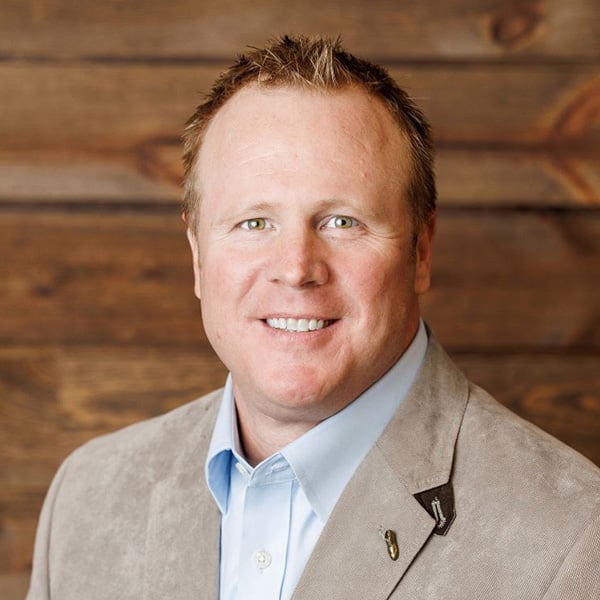
Mark Mersman is the Chief Experience Officer at USA Financial, joining the firm in 2004. He has held numerous roles within the company...
Related Posts
The Hiring Mistake That Can Stall Your Growth
When is the right time to make your next hire? Most advisors wait until they're overwhelmed, client service starts slipping, and their team is already operating at full capacity. In this episode of The Rare Advisor, Aaron Grady explores the difference between reactive hiring and intentional hiring, breaks down the key capacity signals advisors should watch for, and shares a practical framework for evaluating when hiring can unlock growth rather than simply relieve pressure. Learn how to identify bottlenecks, evaluate capacity, understand the economics of hiring, and position your firm for sustainable growth before a staffing crisis occurs.
The Invisible Expertise Problem Most Financial Advisors Face
What happens when a great financial advisor remains virtually invisible outside their current client base? In this episode of the Financial Advisor Marketing Playbook, Mark Mersman sits down with Gabe McManus of Influential Advisor Media to discuss how advisors can transform expertise into influence through books, storytelling, podcast guest appearances, and authority-building content. They explore the role of authentic communication, AI, podcast marketing, personal branding, and the strategies advisors can use to become more visible without turning into full-time influencers.
Stop Solving Every Problem for Your Team
Many financial advisors become the default answer machine inside their firms without even realizing it. In this episode of The RARE Advisor, Aaron Grady introduces the 1-3-1 Exercise, a simple leadership framework designed to help advisors develop stronger problem-solvers, better decision-makers, and more independent team members. Learn how one problem, three possible solutions, and one recommendation can transform everyday challenges into opportunities for leadership development, ownership, and long-term team growth.
The Hiring Mistake That Can Stall Your Growth
When is the right time to make your next hire? Most advisors wait until they're overwhelmed, client service starts slipping, and their team is already operating at full capacity. In this episode of The Rare Advisor, Aaron Grady explores the difference between reactive hiring and intentional hiring, breaks down the key capacity signals advisors should watch for, and shares a practical framework for evaluating when hiring can unlock growth rather than simply relieve pressure. Learn how to identify bottlenecks, evaluate capacity, understand the economics of hiring, and position your firm for sustainable growth before a staffing crisis occurs.
The Invisible Expertise Problem Most Financial Advisors Face
What happens when a great financial advisor remains virtually invisible outside their current client base? In this episode of the Financial Advisor Marketing Playbook, Mark Mersman sits down with Gabe McManus of Influential Advisor Media to discuss how advisors can transform expertise into influence through books, storytelling, podcast guest appearances, and authority-building content. They explore the role of authentic communication, AI, podcast marketing, personal branding, and the strategies advisors can use to become more visible without turning into full-time influencers.
Stop Solving Every Problem for Your Team
Many financial advisors become the default answer machine inside their firms without even realizing it. In this episode of The RARE Advisor, Aaron Grady introduces the 1-3-1 Exercise, a simple leadership framework designed to help advisors develop stronger problem-solvers, better decision-makers, and more independent team members. Learn how one problem, three possible solutions, and one recommendation can transform everyday challenges into opportunities for leadership development, ownership, and long-term team growth.