What Financial Advisors Can Learn From Disney About Creating Memorable Client Experiences
What can financial advisors learn from Disney? In this episode of the Financial Advisor Marketing Playbook, Mark Mersman sits down with former Disney leader and customer experience expert Vance Morris to discuss how advisors can create memorable client experiences that drive loyalty, referrals, and retention. From Disney's obsession with detail and service recovery to creating anticipation, reducing friction, and building emotional connections, Vance shares practical strategies advisors can implement immediately to elevate their client experience and stand apart from competitors.
Summary:
Most financial advisors believe they deliver great service, but according to customer experience expert and former Disney leader Vance Morris, there is often a significant gap between what businesses think they deliver and what clients actually experience. In this episode, Mark Mersman sits down with Morris to explore how financial advisors can borrow lessons from one of the world's most admired brands and apply them directly to their own practices.
Drawing on more than a decade with Disney, including his role helping redesign and operate Chef Mickey's at Walt Disney World, Morris explains that exceptional experiences are rarely accidental. They are intentionally designed, systemized, and consistently delivered. While many firms depend on the personalities of team members to create positive interactions, Disney built processes around creating memorable moments. The same principle applies to advisory firms. Great client experiences should not depend on whether someone happens to be having a good day. They should be embedded into the firm's operating system.
A major theme throughout the conversation is the difference between service and experience. Many advisory firms pride themselves on good service, but good service alone rarely inspires referrals or lasting loyalty. Service is often simply meeting expectations. Experience comes from intentionally designing moments that surprise, delight, and reinforce a firm's value. Morris shares examples of how something as simple as helping a prospect find your office or offering clients a thoughtfully curated welcome experience can communicate professionalism and attention to detail before any financial discussion even begins.
The discussion explores the importance of environmental design and first impressions. From the reception area to meeting spaces, every detail either enhances or detracts from the client experience. Morris argues that advisory firms should think more intentionally about the experience clients have when they enter the office. The environment should reinforce trust, credibility, and professionalism while reflecting the premium nature of the services being delivered.
Another key lesson involves the concept of anticipation. Disney famously understands that the experience begins long before the actual event. Advisors can apply the same philosophy during onboarding and prospect engagement. Rather than allowing prospects to wait in silence while plans are being developed, firms can use thoughtful communication touchpoints to maintain excitement and reassure clients that progress is being made. Handwritten notes, books, educational resources, and personalized follow-up communication can help eliminate uncertainty while strengthening the relationship.
Morris also emphasizes the value of reducing friction. Every business creates waiting periods, paperwork requirements, and administrative processes. The most successful organizations find ways to make those moments feel less frustrating. Disney accomplishes this by entertaining guests while they wait. Advisors can accomplish something similar through thoughtful communication and proactive engagement during periods when clients might otherwise feel forgotten.
The conversation also highlights the importance of service recovery. Mistakes are inevitable in every business, including financial advisory firms. What separates exceptional firms from average firms is how they respond when something goes wrong. Morris argues that the experience after a mistake should actually be better than if the mistake had never happened at all. By taking ownership, solving the problem quickly, and demonstrating genuine concern for the client, advisors can often strengthen trust rather than damage it.
Client retention and long-term loyalty represent another major focus of the discussion. Morris notes that many businesses lose customers without ever realizing it, while advisory firms often see assets leave after the death of a primary client because relationships with spouses, heirs, or other family members were never developed. Consistent communication becomes critical. Rather than relying solely on annual reviews or performance updates, firms should look for ways to stay connected emotionally with clients through personal stories, newsletters, events, and community-building efforts.
The episode also explores referral generation. Rather than asking directly for referrals, Morris advocates creating experiences that naturally generate conversations. When clients have memorable stories to tell, referrals become far more organic. Whether through unique client events, personalized experiences, educational opportunities, or community activities, advisors who give clients something worth talking about create a natural referral engine.
Throughout the discussion, both Morris and Mersman return to a simple but powerful principle: clients increasingly view financial services as a commodity. Portfolio management, investment products, and planning tools are becoming more accessible and more standardized. What ultimately differentiates one firm from another is the experience surrounding those services. The firms that thrive will be those that intentionally design client journeys, eliminate friction, create memorable moments, and build emotional connections that extend beyond financial advice.
The episode concludes with practical advice advisors can implement immediately, including mapping the client journey, involving team members in experience design, building systems around memorable interactions, and focusing on continuous improvement. The overall message is clear: exceptional client experiences do not happen by accident. They are deliberately engineered, consistently delivered, and become one of the most powerful drivers of trust, loyalty, retention, and growth.

Time Stamps:
1:18 — Introduction to Vance Morris: Mark introduces Vance, his Disney background, and sets up the conversation.
2:50 — Vance shares how he got started at Disney and worked on Chef Mickey’s: Vance shares how he got started at Disney and worked on Chef Mickey’s.
5:16 — Why great service must be built into processes, not left to chance: Why great service must be built into processes, not left to chance.
8:21 — Turning mundane moments into experiences: The office-finding example and other small experience upgrades.
12:34 — Premium positioning and attention to detail: Water menus, office presentation, and signaling value.
16:35 — Creating the right sales environment: Why the closing room matters and how backstage/front-stage thinking applies.
20:30 — Losing clients you don’t realize you’re losing: Quiet attrition, reminders, and staying top of mind.
25:05 — Building community and emotional connection: Newsletters, events, and creating real client relationships.
29:24 — How to make referrals more natural: Giving clients stories to tell and engineering referral systems.
33:50 — How to respond when things go wrong and exceed expectations: How to respond when things go wrong and exceed expectations.
39:45 — Where advisors create friction: Waiting periods, communication gaps, and the importance of follow-up.
45:11 — Anticipatory service: Anticipating needs before clients ask.
48:21 — Rapid fire insights: What advisors should stop doing and start doing.
54:31 — Closing and Vance’s offer: Boot camps, website, and final sign-off.
--
The Financial Advisor Marketing Playbook is a podcast/video series for high-performing financial planning professionals that are committed to improving their craft, helping their clients, and growing their business. Hosted by Mark Mersman, Chief Marketing Officer at USA Financial, this series contains a wide variety of content – from quick win ideas to long-form interviews, each episode provides actionable marketing ideas and insights that can be implemented easily into your practice. From digital marketing to traditional direct-response marketing, each episode delivers straight-forward and engaging content that any financial professional can use to improve their bottom line and grow their practice.
Financial Advisor Marketing Playbook is also a podcast! Subscribe today via Apple Podcasts or your preferred podcast listening service for easier on-the-go listening.
Author Info
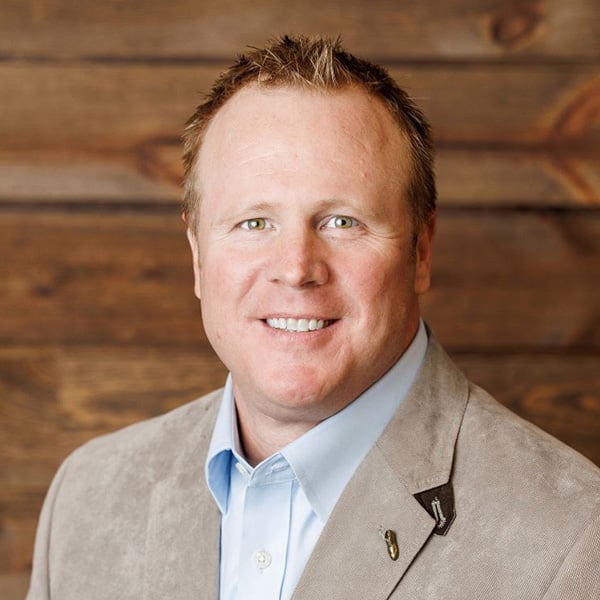
Mark Mersman is the Chief Marketing Officer at USA Financial, joining the firm in 2004. He has held numerous roles within the company prior...
Related Posts
Are You Building Leaders, or Just Better Followers?
How do you move from building a successful financial advisory practice to building a sustainable firm that thrives beyond you? In this episode of The Rare Advisor, Aaron Grady is joined by Steve Phillips and Allan Oehrlein to explore the leadership shifts required to develop future leaders inside your organization. Learn why leadership doesn’t emerge by accident, how to identify true leadership potential, and a practical framework to develop ownership, influence, decision-making, and growth within your team. This conversation will challenge you to rethink how you build capacity, continuity, and long-term value in your practice.
The Secret to Turning Client Events into Client Stories
Most financial advisors host client events, but very few create experiences that clients actually remember and talk about. In this episode of the Financial Advisor Marketing Playbook, Mark Mersman challenges advisors to rethink traditional events and start designing memorable experiences that build relationships, spark conversations, and drive referrals. Learn how to apply the principles of the Experience Economy, create moments clients cannot easily replicate on their own, and turn your events into powerful story‑generating opportunities for your business.
14 LinkedIn Marketing Tips for Financial Advisors
With over 1.2 billion members worldwide as of 2026, LinkedIn isn't just another social network—it's the world's largest professional networking platform. We're talking about a platform where 40% of active users check the platform daily, creating consistent opportunities for meaningful engagement.
Are You Building Leaders, or Just Better Followers?
How do you move from building a successful financial advisory practice to building a sustainable firm that thrives beyond you? In this episode of The Rare Advisor, Aaron Grady is joined by Steve Phillips and Allan Oehrlein to explore the leadership shifts required to develop future leaders inside your organization. Learn why leadership doesn’t emerge by accident, how to identify true leadership potential, and a practical framework to develop ownership, influence, decision-making, and growth within your team. This conversation will challenge you to rethink how you build capacity, continuity, and long-term value in your practice.
The Secret to Turning Client Events into Client Stories
Most financial advisors host client events, but very few create experiences that clients actually remember and talk about. In this episode of the Financial Advisor Marketing Playbook, Mark Mersman challenges advisors to rethink traditional events and start designing memorable experiences that build relationships, spark conversations, and drive referrals. Learn how to apply the principles of the Experience Economy, create moments clients cannot easily replicate on their own, and turn your events into powerful story‑generating opportunities for your business.
14 LinkedIn Marketing Tips for Financial Advisors
With over 1.2 billion members worldwide as of 2026, LinkedIn isn't just another social network—it's the world's largest professional networking platform. We're talking about a platform where 40% of active users check the platform daily, creating consistent opportunities for meaningful engagement.