






















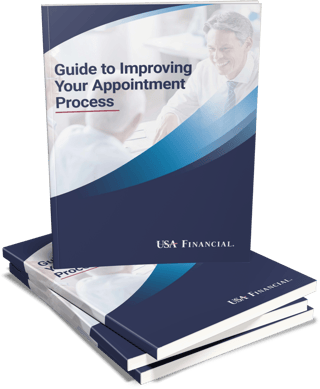
This kind of experience includes some pretty big changes and might be more complicated than you have time for at first. The thing to focus on that all the successful brands have in common is that they are not usually custom experiences for each person. They follow a consistent and well-designed process. That’s it. It does not have to be complicated; it simply needs to show your clients that you are putting them first. As you and your team work to perfect your well-planned process, the better your experience will become, which will lead to more genuine and authentic relationships.
You will notice there are two words that cannot be emphasized enough throughout this guide: experience and process. This guide was created to help you focus the most important elements that go into creating an experience and transforming your process:
Contents
- Plan ahead.
- Tell your story - briefly.
- Ask the right questions.
- Drive engagement.
- Outline your approach. Set expectations. Assign homework.
- Be consistent.
Related Posts
Why Financial Advisors Lose Prospects Before the First Meeting
Most financial advisors think the prospect journey begins when someone schedules a meeting. In reality, it starts much earlier. In this episode of the Financial Advisor Marketing Playbook, Mark Mersman breaks down the modern prospect journey and explains how today's prospects research advisors before ever picking up the phone. From Google searches and websites to reviews, videos, social proof, and follow-up systems, you'll learn how to identify hidden trust gaps and improve the client experience before the first appointment ever takes place.
The Cost of Hiring the Wrong Role
Knowing when to hire is important. Knowing who to hire may be even more important. In this episode of The Rare Advisor, Aaron Grady explores one of the most common hiring mistakes growing advisory firms make: hiring for the wrong constraint. Learn how to identify whether your firm truly needs another advisor, additional support staff, a servicing advisor, or a business development professional. Discover a practical framework for evaluating capacity, removing bottlenecks, and making hiring decisions that unlock growth instead of simply adding payroll.
The Hiring Mistake That Can Stall Your Growth
When is the right time to make your next hire? Most advisors wait until they're overwhelmed, client service starts slipping, and their team is already operating at full capacity. In this episode of The Rare Advisor, Aaron Grady explores the difference between reactive hiring and intentional hiring, breaks down the key capacity signals advisors should watch for, and shares a practical framework for evaluating when hiring can unlock growth rather than simply relieve pressure. Learn how to identify bottlenecks, evaluate capacity, understand the economics of hiring, and position your firm for sustainable growth before a staffing crisis occurs.